Exploring South & West Sikkim - History, Tea Gardens & Himalayan Views
A guide to the hidden trails and cultural gems of South and West Sikkim.
Gangtok, with its buzzing MG Marg and views of Kanchenjunga, is often the first stop for travelers. But to truly experience Sikkim, you need to wander beyond the capital. From the old kingdom ruins of West Sikkim to the high-altitude lakes of the north, every corner of this Himalayan state tells a different story.
At Hotel Tashi Delek on MG Marg, we often welcome guests who stay with us in Gangtok to acclimatize, making the hotel the perfect base before venturing deeper into the state. Here's a guide to help you plan your adventures.
West Sikkim – 3–4 Days of History & Tea Gardens
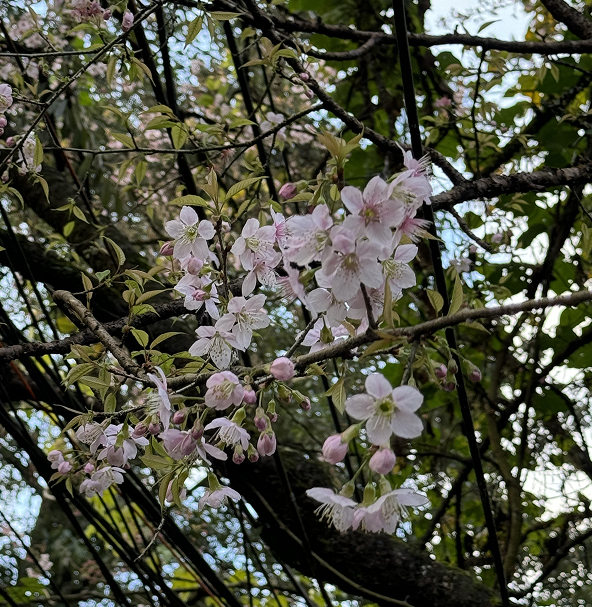
West Sikkim is where the old Sikkimese kingdom once stood. Today, it’s a region of monasteries, ruins, tea gardens, and breathtaking landscapes that blush pink with cherry blossoms in October and November. It’s also the part of Sikkim where Kanchenjunga feels the closest, dotted with countless hikes, from gentle forest walks to more serious ridge-top treks, many of them still untouched by heavy tourism. The best way to discover these hidden trails is to ask your stay to guide you; locals often know routes that don’t show up on maps.
Must-visit towns and stops:
1. Pelling
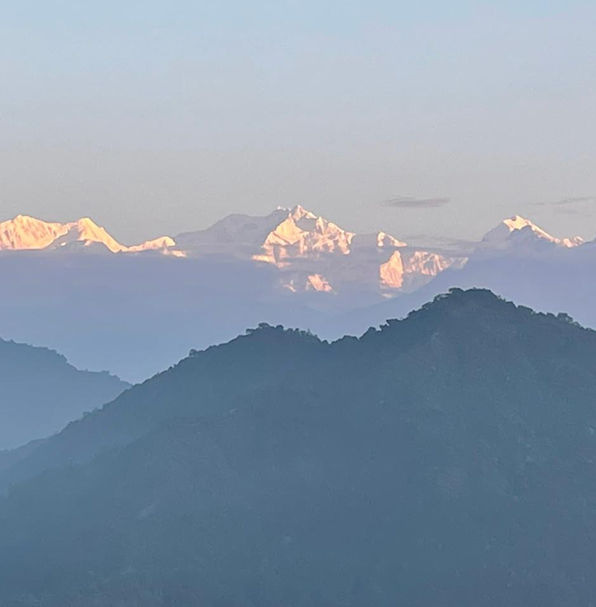
If you want to feel like you can almost touch Kanchenjunga, Pelling is the place. A favorite with travelers, it offers stunning sunrise views of the Himalayas. History lovers will enjoy exploring the Rabdentse Ruins, the second capital of Sikkim, now a quiet archaeological site. Don’t miss the Pemayangtse Monastery, one of Sikkim’s oldest and most important monasteries, known for its exquisite woodwork and spiritual atmosphere.
2. Khecheopalri Lake
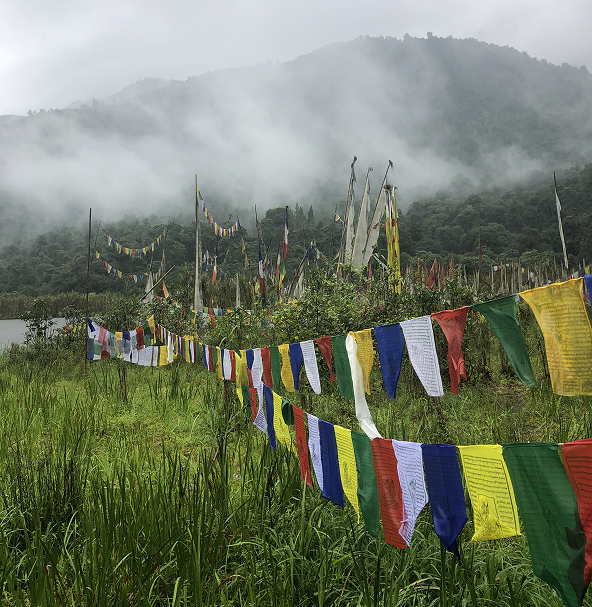
Also known as the “Wishing Lake”, Khecheopalri is considered sacred by both Buddhists and Hindus. Surrounded by thick forests, the lake is said to fulfill wishes. Prayer flags fluttering along its banks. Local lore says that not a single leaf is allowed to float on the surface, birds pick them away instantly, keeping the lake pristine. It’s a serene, spiritual stop that contrasts beautifully with the dramatic mountain landscapes of the region.
3. Yuksom
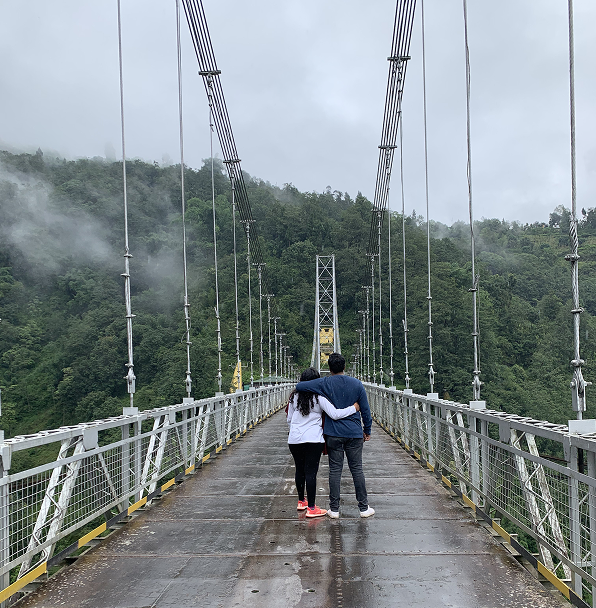
Known as the first capital of Sikkim, Yuksom is where the first Chogyal (king) was crowned in 1642. It’s a town steeped in history and spirituality, with the Norbugang Coronation Throne still preserved. Yuksom is also the starting point for the famous Dzongri and Goechala treks, making it popular with adventure seekers. Don’t miss the nearby Singshore Bridge, one of the highest suspension bridges in Asia, for a jaw-dropping view of the valleys.
4. Ravangla
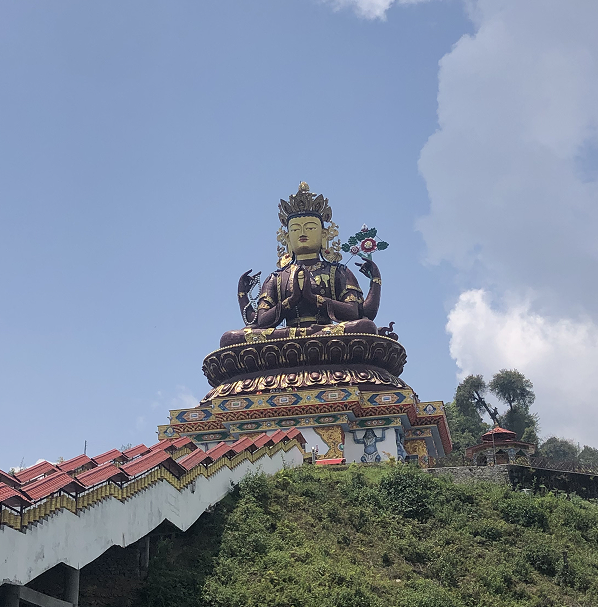
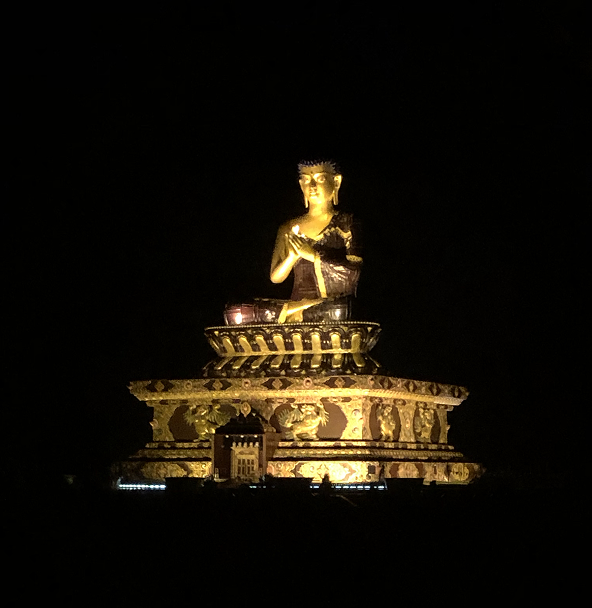
Perched between Gangtok and Pelling, Ravangla is best known for the Buddha Park, where a 130-foot tall statue of Buddha sits against a backdrop of snow-capped mountains. The town also makes a good base for visiting old monasteries such as Ralang Monastery. In spring and summer, the meadows around Ravangla come alive with wildflowers, adding to its charm.
5. Bhaleydhunga
Bhaleydhunga is a sacred cliff that feels like the edge of the world, with endless Himalayan views. You can hike up through forests and meadows, or take the Bhaleydhunga Ropeway from Dhapper, Sikkim’s longest and steepest cable car which whisks you to the top in just 10 minutes. Either way, the panorama of Kanchenjunga framed by the flowering hillsides makes it unforgettable.
6. Rinchenpong
A quieter alternative to the busier towns, Rinchenpong is steeped in colonial-era charm. It’s known for its old British bungalow stays, trails through pine forests, and traditional Lepcha houses. The village also has a historic monastery and is one of the best places to soak in local Sikkimese hospitality while enjoying unobstructed views of Kanchenjunga. While I didn’t stay at Azim Farm, I thoroughly enjoyed the homemade wine and the sweeping views from the property — a reminder of how beautiful the surroundings.
7. Barsey Rhododendron Sanctuary
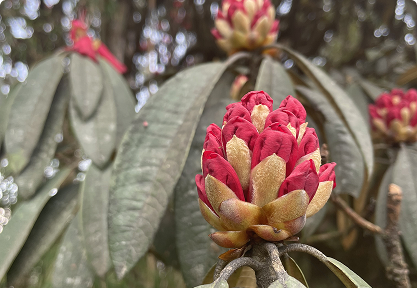
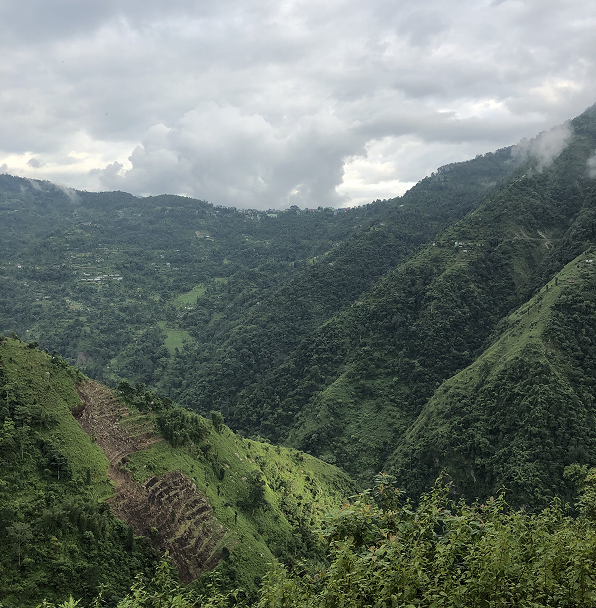
If you love nature and quiet trails, Barsey is a gem. Best to visit in bloom between March and May, the sanctuary is also home to red pandas, countless bird species, and thick oak and magnolia woods. The hike up to Barsey is ideal for families or anyone who wants to experience the Himalayan forests without going on a long expedition. On clear days, you’ll be rewarded with spectacular views of Kanchenjunga framed by the flowering hillsides.
8. Namchi
Namchi, meaning “sky high” in the local language, is famous for the towering statue of Guru Padmasambhava on Samdruptse Hill. Namchi is also home to the Char Dham complex, where replicas of India’s four holiest shrines make it a spiritual as well as cultural stop. It’s a vibrant blend of culture and heritage. Another highlight is the Namchi Rose Garden, with hundreds of vibrant rose varieties, especially beautiful between March and June.
9. Temi Tea Garden
On the way, stop at the Temi Tea Garden, the only tea estate in Sikkim. Rolling hills of emerald-green tea bushes, with cherry blossoms in season, make this a photographer’s delight. You can also sample organic Temi tea, a true taste of Sikkim.
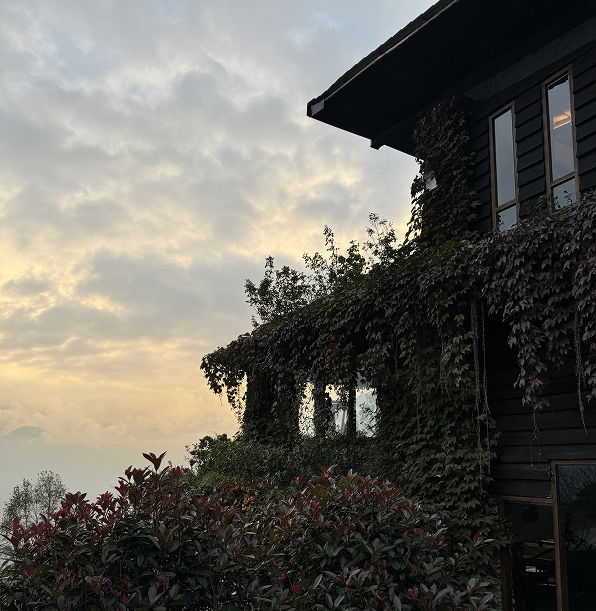
Stay Suggestions: Bara Bungalow (Namchi), Daragaon Village Retreat (Pelling), Yangsum Heritage Farm(Rinchenpong), Limboo Homestay (Yuksom), Norbugang retreat & spa (Pelling)
Suggested Routes:
- Hotel Tashi Delek, Gangtok → Namchi → Ravangla → Pelling → Yuksom → back to Hotel Tashi Delek, Gangtok (3–4 days)
- Or start from Bagdogra/NJP → Namchi/Pelling first → then Hotel Tashi Delek, Gangtok
Why Start in Gangtok? Beginning your journey in Gangtok is important because it’s the capital offers a chance to settle into the Sikkimese way of life, stroll MG Marg, and soak up Kanchenjunga views before heading westward.
At Hotel Tashi Delek, right on MG Marg, you’re perfectly placed at the crossroads of culture and convenience. Our boutique rooms, Kanchenjunga-facing terrace suites, and rooftop restaurant give you a taste of Sikkim’s hospitality, making your stop in Gangtok more than just a transit, but part of the journey itself.
👉 Plan your journey at hoteltashidelek.com, your basecamp for the adventures ahead.